


Ever stopped to think about where your food comes from, or the incredible science and innovation that goes into feeding our planet? It’s a question that’s become increasingly important, and when we talk about the words- agricultural education, we’re really talking about the engine that drives this essential industry forward. Forget the dusty stereotypes of pitchforks and overalls; modern agriculture is a high-tech, data-driven, and critically important field.
Many people, when they first hear “agricultural education,” might picture a traditional farm setting. And sure, that’s a part of it! But honestly, it’s so much more dynamic and multifaceted than many realize. It’s about nurturing the next generation of thinkers, innovators, and stewards of our land, equipping them with the knowledge and skills to tackle some of the world’s biggest challenges. Think of it as the ultimate problem-solving toolkit for feeding billions sustainably.
Beyond the Barn Door: What Does It Actually Mean?
So, let’s break down what the words- agricultural education truly encompass. At its heart, it’s about providing individuals with the comprehensive understanding and practical abilities needed to succeed in and contribute to the vast and varied agricultural sector. This isn’t just about learning to plant a seed, though that’s a fundamental skill. It delves into the complex interplay of biology, chemistry, economics, technology, and environmental science that underpins modern food production.
It’s a field that’s constantly evolving, driven by the need for increased efficiency, reduced environmental impact, and enhanced food security. Whether someone dreams of managing a vast corporate farm, developing new biotechnologies, or advocating for sustainable land use policies, agricultural education provides the foundational pathways. It’s a journey of discovery, from understanding soil health to mastering precision farming equipment.
The Incredible Breadth of Agricultural Careers
One of the most exciting aspects of the words- agricultural education is the sheer diversity of career opportunities it unlocks. It’s not just for aspiring farmers, though that is a noble and vital path. Think about it:
Agricultural Scientists: These brilliant minds work on developing new crop varieties, pest-resistant plants, and innovative farming techniques.
Food Scientists: They ensure the safety, quality, and nutritional value of the food we eat, from farm to fork.
Agricultural Engineers: They design and build the machinery and infrastructure that make modern agriculture possible, from automated irrigation systems to advanced harvesting equipment.
Environmental Scientists & Conservationists: They focus on sustainable practices, protecting natural resources, and mitigating the environmental impact of agriculture.
Farm Managers & Agribusiness Professionals: They oversee operations, manage finances, and navigate the complex business side of agriculture.
Agronomists: These experts advise farmers on crop rotation, soil management, and fertilization to maximize yields and health.
Horticulturists: They specialize in the cultivation of fruits, vegetables, flowers, and ornamental plants.
Animal Scientists: They focus on the health, nutrition, and breeding of livestock and poultry.
See? It’s a whole ecosystem of careers, each playing a crucial role in feeding the world and managing our planet’s resources responsibly. In my experience, many people are genuinely surprised by the sheer scope of these roles, often envisioning something far narrower.
Cultivating Sustainability: A Core Focus
A significant and increasingly vital component of the words- agricultural education is its deep commitment to sustainability. This isn’t just a buzzword; it’s a fundamental principle guiding how we grow food and manage our land for future generations. We’re talking about practices that aim to:
Conserve Water Resources: Implementing efficient irrigation methods and drought-resistant crop choices.
Improve Soil Health: Utilizing cover cropping, no-till farming, and organic matter enhancement to build fertile, resilient soil.
Reduce Chemical Inputs: Exploring integrated pest management and biological controls to minimize reliance on synthetic pesticides and fertilizers.
Protect Biodiversity: Creating habitats for beneficial insects and wildlife, and managing landscapes in a way that supports diverse ecosystems.
Minimize Greenhouse Gas Emissions: Adopting practices that sequester carbon in the soil and reduce energy consumption.
Learning about these sustainable approaches is paramount. It’s about ensuring that our ability to produce food doesn’t come at the expense of the very planet that sustains us. It’s a forward-thinking perspective that’s essential for the long-term viability of agriculture.
The Role of Technology: Precision Agriculture and Beyond
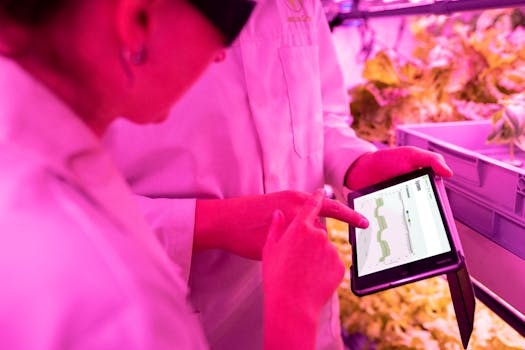
If you think agriculture hasn’t embraced technology, think again! Modern agricultural education is deeply intertwined with cutting-edge advancements. Precision agriculture, for instance, uses GPS, sensors, drones, and data analytics to optimize every aspect of farming. This allows farmers to:
Apply inputs precisely where and when they are needed: This means fertilizers, water, and pesticides are used more efficiently, reducing waste and environmental impact.
Monitor crop health in real-time: Drones equipped with multispectral cameras can identify early signs of disease or nutrient deficiencies.
Automate tasks: Robotic systems are emerging for planting, harvesting, and even weeding.
Make data-driven decisions: Sophisticated software helps analyze vast amounts of information to inform planting schedules, irrigation needs, and yield predictions.
Understanding these technological shifts is crucial for anyone entering or advancing in the field. It’s a testament to how agriculture has transformed into a knowledge-intensive industry, blending traditional wisdom with innovative solutions.
How to Get Involved: Pathways and Opportunities
So, you’re intrigued? That’s fantastic! Getting involved in agricultural education can take many forms, depending on your interests and career goals.
High School Programs: Many high schools offer agricultural science classes, FFA (Future Farmers of America) chapters, and even hands-on farm experiences. These are excellent starting points for younger students.
Community Colleges & Technical Schools: These institutions often provide specialized programs in areas like horticulture, agribusiness technology, and animal science, leading to certificates and associate degrees.
Universities & Colleges: For in-depth study and research opportunities, bachelor’s, master’s, and doctoral programs in agriculture, forestry, and related sciences are widely available. These programs offer a broad range of specializations.
Continuing Education & Workshops: Even for those already in the field, workshops and professional development courses are vital for staying updated on new technologies, regulations, and sustainable practices.
Exploring these different educational avenues will help you find the perfect fit for your aspirations. It’s never too late to learn and contribute to this essential sector.
Conclusion: Sowing the Seeds of the Future
The words- agricultural education* represent a vibrant, dynamic, and profoundly important field. It’s not just about growing food; it’s about innovation, sustainability, environmental stewardship, and ensuring the well-being of communities worldwide. Whether you’re drawn to the hands-on challenges of farm management, the intricate science of plant breeding, or the business acumen of agribusiness, there’s a place for you. By investing in agricultural education, we are investing in a future where we can feed our growing population responsibly and protect our planet for generations to come. It’s a field that truly matters, and one that’s ripe with opportunity for those ready to contribute.